Skip to the content
Description
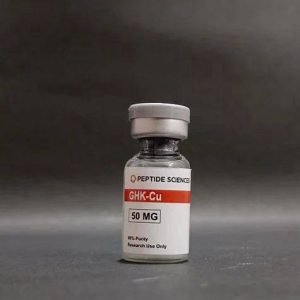
Where to buy GHK-CU
(glycyl-L-histidyl-L-lysine) is a naturally occurring copper tripeptide in the human body that promotes cellular repair, collular repair, collagen production, and skin remodeling.
Why do people search for GHK-Cu?
Because people want:
Better skin
Hair regrowth support
Faster recovery
Anti-aging solutions
But most articles recycle the same vague claims.
This guide explains what GHK-Cu is, how it works, possible benefits, side effects, and what current research actually supports.
What Is GHK-Cu?
GHK-Cu is a naturally occurring copper peptide.
The name stands for:
Glycyl-L-Histidyl-L-Lysine Copper
It was first identified in human plasma and later studied for its role in:
Tissue repair
Skin health
Hair growth
Cellular signaling
The “Cu” refers to copper.
That copper-binding action matters because copper plays a role in healing and collagen formation.
How GHK-Cu Works
GHK-Cu acts as a signaling peptide.
Researchers believe it may help regulate processes related to:
Collagen production
Wound healing
Inflammation
Skin remodeling
It also appears involved in cellular communication linked to repair mechanisms.
That’s why it became popular in:
Cosmetic skincare
Hair products
Wellness clinics
Peptide therapy discussions
GHK-Cu Benefits
This section captures major search intent.
Skin Health Support
GHK-Cu is commonly studied for:
Fine lines
Skin elasticity
Skin texture
Signs of aging
Many skincare products market it as an anti-aging ingredient because of its connection to collagen-related pathways.
Hair Growth Research
Some research explores GHK-Cu’s role in supporting:
Hair follicle activity
Scalp health
Hair thickness
That does not mean guaranteed hair regrowth.
Huge difference.
Wound Healing
Researchers have examined its possible role in:
Tissue repair
Recovery support
Inflammation regulation
Antioxidant Activity
Some studies suggest copper peptides may help reduce oxidative stress in cells.
Forms of GHK-Cu
GHK-Cu products come in several forms:
Serums
Creams
Foams
Injectable formulations
Research compounds
Topical skincare products are the most common.
GHK-Cu for Skin
This is the biggest traffic category.
People search for:
“GHK-Cu before and after”
“Best copper peptide serum”
“GHK-Cu anti-aging benefits”
Why?
Because collagen loss drives visible aging.
GHK-Cu became popular due to claims related to:
Firmer skin
Reduced wrinkles
Improved skin appearance
The problem:
Most consumers expect overnight results.
Biology doesn’t work that way.
GHK-Cu for Hair Growth
Interest in hair restoration pushed GHK-Cu into mainstream peptide discussions.
Researchers continue studying whether it may help support healthier hair growth environments.
People often combine it with:
Minoxidil
Microneedling
Hair growth protocols
But stacking products without understanding interactions is where people create problems.
GHK-Cu Side Effects
Most topical products are generally tolerated well.
Possible side effects may include:
Skin irritation
Redness
Sensitivity
Temporary itching
Poor-quality formulations increase risk.
That’s another issue most sites avoid discussing.
Is GHK-Cu Safe?
Current research suggests GHK-Cu has a relatively favorable safety profile in cosmetic use.
But important questions remain regarding:
Long-term use
Injectable applications
Product purity
Dosing standards
Not every product sold online meets quality standards.
That matters more than marketing claims.
GHK-Cu vs Collagen Creams
People confuse these constantly.
Collagen Creams
Usually aim to moisturize and support skin appearance.
GHK-Cu
Works as a signaling peptide involved in repair-related pathways.
One hydrates.
The other attempts to influence biological signaling.
Different mechanism entirely.
Who Uses GHK-Cu Products?
Interest usually comes from people focused on:
Anti-aging skincare
Hair restoration
Recovery support
Cosmetic wellness
That does not mean every claim has strong clinical proof.
FAQ
What is GHK-Cu used for?
GHK-Cu is studied for skin health, hair support, tissue repair, and anti-aging applications.
Is GHK-Cu a peptide?
Yes. It is a copper-binding peptide.
Does GHK-Cu help hair growth?
Research is ongoing regarding its potential role in supporting healthier hair follicles and scalp environments.
What are the side effects of GHK-Cu?
Possible side effects include skin irritation, redness, and sensitivity.
Is GHK-Cu good for wrinkles?
Many skincare products market GHK-Cu for reducing visible signs of aging and supporting collagen-related pathways.